
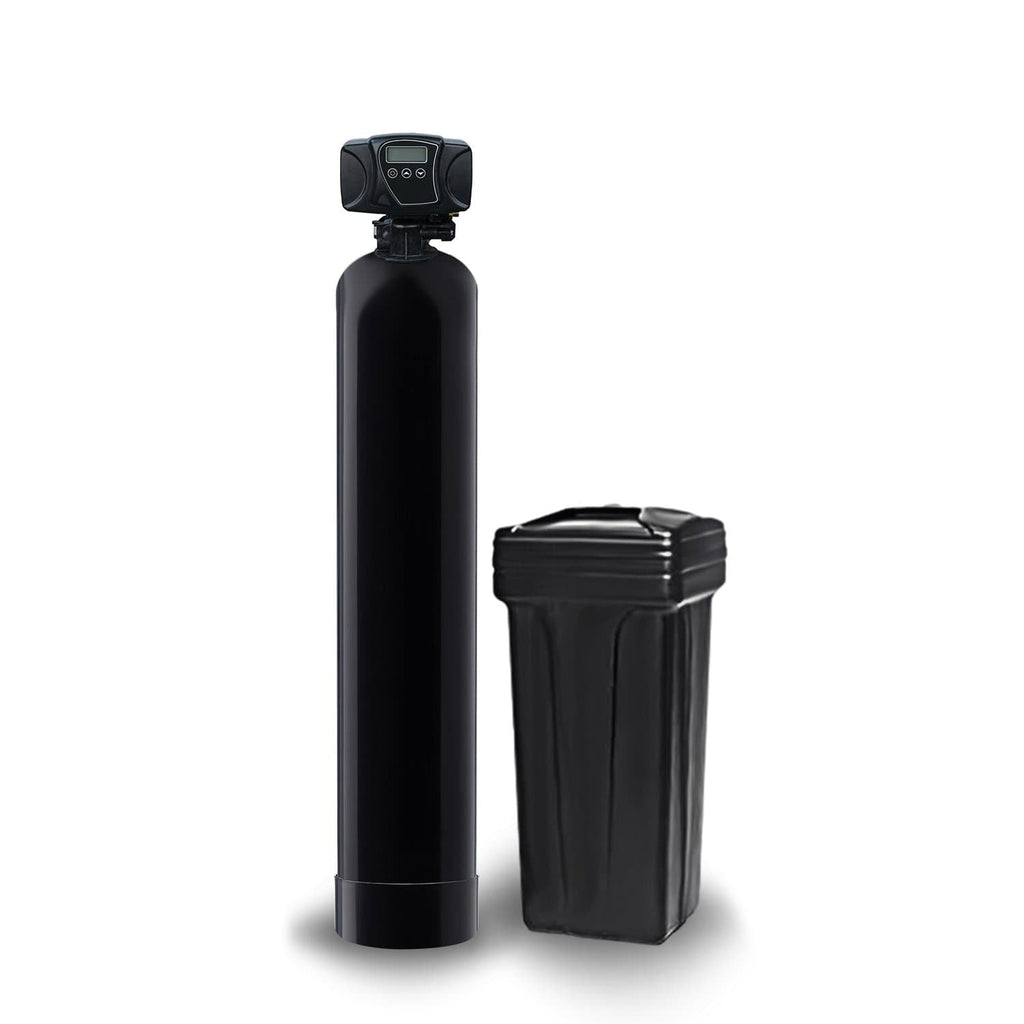
Fleck 5600SXT Water Softener System - 5600 SXT (Top Rated)
-
“I just wanted to say thank you for your excellent products and service over the past 12 years. ”
- Daniel R. - Texas


- ASSEMBLED IN USA
- EASY INSTALLATION
- FREE SHIPPING
-
“I just wanted to say thank you for your excellent products and service over the past 12 years. ”
- Daniel R. - Texas
Fleck 5600SXT Water Softener System - 5600 SXT (Top Rated)
100% NO-RISK MONEY BACK GUARANTEE
Have Questions About the Fleck 5600 SXT Water Softener?
Give Our Tech Team A Call: 1-866-278-4130
FLECK 5600 SXT WATER SOFTENER VIDEO REVIEW
Why Buy from the #1 Fleck Water Softener Dealer/Distributor?
Best-Price-Guarantee
Industry-Leading Customer Support
2020 Water Softener Review & Comparison
Check out the SoftPro Elite Water Softener for City Water
FLECK 5600 SXT ON-DEMAND DIGITALLY-METERED WATER SOFTENER SYSTEM
This Fleck 5600SXT on-demand metered digital water softener is perfect for those looking for an economical option!

Key Features of Fleck's 5600SXT Water Softener:
- We use a paddle wheel style meter which eliminates the constant sticking and binding of the traditional style turbine meter. (no more removing and cleaning the turbine wheel)
- 3/4" Plastic Bypass
- 10% Cross-linked resin for longer life. 10% Crosslink resin is more chlorine resistant and has a stronger bond so it lasts longer!
- Brine Tank includes Brine line & Safety Float with Brine well.
- Ships pre-loaded with resin saving you time and money on the installation of the system (up to 48,000 grain capacity).
- 10-Year Manufacturer's Warranty on the Tanks.
- 5-Year Manufacturer's Warranty on the Fleck 5600SXT Control Valve.


VALUE ADDED PACKAGE - We pride ourselves in simplifying the consumer experience. We demonstrate this by PRE-LOADING the mineral tanks with resin for you to reduce heavy lifting and mess, we PRE-PROGRAM this digital meter to avoid adding guesswork, we provide additional INSTALL ITEMS to save you from making extra trips to store, and we are very EASY TO CONTACT using phone, email, and texting!
Got Questions About the Fleck 5600 Water Softener? Give Our Tech Team A Call: 1-866-278-4130
Fleck 5600 SXT Water Softener Package Specifications


See How the Fleck 5600 SXT Whole House Water Softening System Can Improve Your Family's Life Experience from one of America's Best Fleck Water Softener Dealers!
Have Questions About the Fleck 5600 SXT Water Softener?
Give Our Tech Team A Call: 1-866-278-4130
FLECK 5600 SXT WATER SOFTENER VIDEO REVIEW
Why Buy from the #1 Fleck Water Softener Dealer/Distributor?
Best-Price-Guarantee
Industry-Leading Customer Support
2020 Water Softener Review & Comparison
Check out the SoftPro Elite Water Softener for City Water
FLECK 5600 SXT ON-DEMAND DIGITALLY-METERED WATER SOFTENER SYSTEM
This Fleck 5600SXT on-demand metered digital water softener is perfect for those looking for an economical option!
Key Features of Fleck's 5600SXT Water Softener:
- We use a paddle wheel style meter which eliminates the constant sticking and binding of the traditional style turbine meter. (no more removing and cleaning the turbine wheel)
- 3/4" Plastic Bypass
- 10% Cross-linked resin for longer life. 10% Crosslink resin is more chlorine resistant and has a stronger bond so it lasts longer!
- Brine Tank includes Brine line & Safety Float with Brine well.
- Ships pre-loaded with resin saving you time and money on the installation of the system (up to 48,000 grain capacity).
- 10-Year Manufacturer's Warranty on the Tanks.
- 5-Year Manufacturer's Warranty on the Fleck 5600SXT Control Valve.
VALUE ADDED PACKAGE - We pride ourselves in simplifying the consumer experience. We demonstrate this by PRE-LOADING the mineral tanks with resin for you to reduce heavy lifting and mess, we PRE-PROGRAM this digital meter to avoid adding guesswork, we provide additional INSTALL ITEMS to save you from making extra trips to store, and we are very EASY TO CONTACT using phone, email, and texting!
Got Questions About the Fleck 5600 Water Softener? Give Our Tech Team A Call: 1-866-278-4130
Fleck 5600 SXT Water Softener Package Specifications
See How the Fleck 5600 SXT Whole House Water Softening System Can Improve Your Family's Life Experience from one of America's Best Fleck Water Softener Dealers!
FLECK 5600 SXT WATER SOFTENER
Why Buy from the #1 Fleck Water Softener Dealer/Distributor?
- 30+ Years Experience
- Best-Price-Guarantee
- Industry-Leading Customer Support

Review & Comparison
2020 Water Softener Review & Comparison
See How the Fleck 5600SXT Water Softener System Stacks Up Against All the Major Brands
Check out the Fleck 5600SXT Water Softener for City Water
FLECK 5600 SXT On-Demand Digitally-Metered Water Softner System
This Fleck 5600SXT on-demand metered digital water softener is perfect for those looking for an economical option!


Key Features
Fleck's 5600SXT Water Softener
- We use a paddle wheel style meter which eliminates the constant sticking and binding of the traditional style turbine meter. (no more removing and cleaning the turbine wheel)
- 3/4" Plastic Bypass
- 10% Cross-linked resin for longer life. 10% Crosslink resin is more chlorine resistant and has a stronger bond so it lasts longer!
- Brine Tank includes Brine line & Safety Float with Brine well.
- Ships pre-loaded with resin saving you time and money on the installation of the system (up to 48,000 grain capacity).
- 10-Year Manufacturer's Warranty on the Tanks.
- 5-Year Manufacturer's Warranty on the Fleck 5600SXT Control Valve.
Product Tech Support
Hands down our most popular model. Made using the high-end components and hand-assembled. Experience the difference and see why we are the industry leader. Email, Phone, Text support along with YouTube videos give you SUPPORT for before, during, or after the installation.


Value added package
We pride ourselves in simplifying the consumer experience. We demonstrate this by PRE-LOADING the mineral tanks with resin for you to reduce heavy lifting and mess, we PRE-PROGRAM this digital meter to avoid adding guesswork, we provide additional INSTALL ITEMS to save you from making extra trips to store, and we are very EASY TO CONTACT using phone, email, and texting!
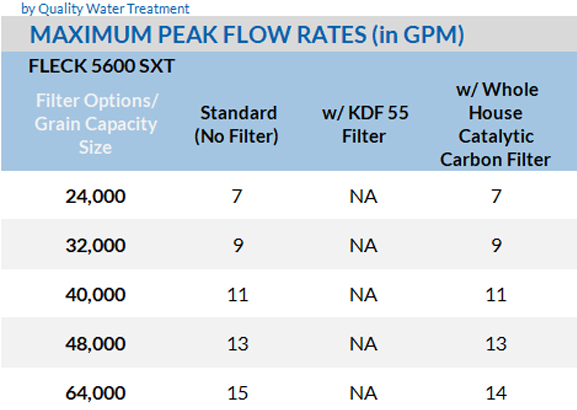
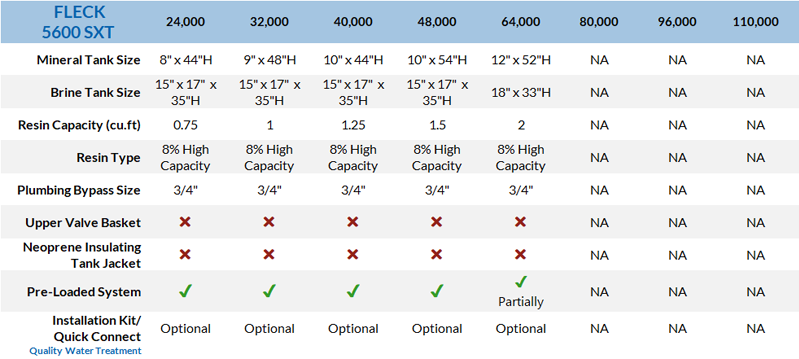
Fleck 5600 SXT Water Softener
Package Specifications
FINANCING OPTIONS
Soft, Clean Water For Less Than A Coffee A Day

Quality Water Treatment provides several financing options to make your investment in soft, clean water for your home and family easy.
Multiple options including 4 interest-free payments.


Fleck Authorized Dealer


WHY BUY FROM US
Real Experts. Real Value.

Providing the Best in Class
Water Treatment for Over 30 Years
Our mission is to empower people to live healthier, happier lives by providing quality water solutions for their families and businesses.
Quality Water Treatment has been delivering best-in-class water treatment solutions and customer service to people and businesses across North America since 1990.
We've done it all and seen it all!
As a family-owned business, our priority is our customers’ satisfaction. Reliable, economical water treatment can enhance quality of life in several ways:
- Improve taste
- Eliminate toxins
- Extend the life of appliances, pipes and fixtures
- Gentler on clothes, hair and skin
- Prevent costly plumbing corrosion and stains
We carry the best brands in the industry in value-added packages, making installation and operation of your water treatment system simple and efficient.

Intelligent Assessment

Everyone’s water treatment needs are different. With our innovative assessment technology, you can take the guesswork out of your water treatment options.
Leverage our Water Intelligence Engine™ to get the best expert recommendations for your unique water-quality needs. We’ll also help you discover what's really in your local drinking water and how the top brands stack up.
The Water Intelligence Engine™ will:
- Help you confidently and properly size a water softener solution to meet your space’s specific needs.
- Provide expert recommendations of various water treatment solutions.
- Thoroughly educate you on your options.
- Our newly updated Comparison Chart below compares all major brands.
- Our Water Score Report grades your local water quality and details any water contaminant findings.
Real Experts You Can Count On
At Quality Water Treatment, we treat our customers like family. And we know the products inside and out.
Don't waste your time wandering around your local big box store trying to find someone to help you.
You'll only find a pushy associate with limited knowledge, simply trying to move product from a limited inventory. Your odds of finding exactly what you need or finding a true expert are pretty low – generic water softeners and water filters at these stores often just don’t cut it.
Shop with confidence at Quality Water Treatment, and we’ll help you get the correct equipment for your specific needs and have it delivered right to your door!

Friendly, Expert Help at Your Fingertips

After over 30 years in business, we know water treatment like no one else! And we want you to leverage our expertise to get the best solutions for your needs and goals.
Our team of highly trained water treatment consultants is here to answer all of your questions.
We compare all major brands and show you all your options with no pushy sales tactics.
Everything you need to make the right decision is at your fingertips. You can also connect with us via live chat, text, phone and email.
Delivered to Your Door with Ease
All orders are processed within just 1 day.
With streamlined processes throughout our organization, we rapidly fulfill orders right after they're placed and ship them to your door – FAST!
No waiting. No hassle. We are 100% transparent about the status of your order at each step of the process.
You'll get automatic email alerts and you can check your order status at any time.

"Hands down, SoftPro Elite beats ALL the water softener competitors across the board in terms of next-generation technology, efficiency, warranty, value, and affordability.”
Affordable Ways to Pay

You deserve quality, clean, soft water, starting now!
We make purchasing the complete solution even easier with our flexible financing options.
Take advantage of QuadPay and make 4 easy interest-free payments over time. Or, pay a very small amount each month with Affirm.
We make buying simple and easy.
Make a Positive Impact for Families in Need
Together, we can make a MASSIVE difference in the world.
With our partnership with LoveWater.org, a 501c3 non-profit organization, your purchase today will give a family in Africa or Nicaragua safe, clean water for a full year.
Your order changes lives!
1 PURCHASE...
1 FAMILY...
1 YEAR OF CLEAN WATER

LOVERWATER.ORG PARTNERSHIP
Helping people with clean, quality water.


1 PURCHASE...
1 FAMILY...
1 YEAR OF CLEAN WATER
Here at Quality Water Treatment, we want to do more than just provide you and your family with safe, clean, and healthy water.
We want to provide safe, clean, and healthy water to those in need.
That’s why we’ve partnered with LoveWater.org, a well established 501c3 non-profit organization, that is changing the lives of those in need with their efforts to transform water in countries where access to clean water is scarce.
Your purchase today will provide safe, clean drinking water to a family of five in Nicaragua or Africa for a full year!
With your purchase, you can also be a part of the solution in helping us transform water for the betterment of humanity.
Here's What Our Customers Are Saying...
-

“I just wanted to say thank you for your excellent products and service over the past 12 years. ” - Daniel R. - Texas
-

“After we installed the Softpro Elite I noticed a significant difference in the house water quality. ” - Julie M. - Florida
-

“I decided to go with the Softpro water softener over Fleck. Very impressed and satisfied with their products and customer service! ” - Roy P. - California


