



![Stainless Steel Chain [10 Ft for Triple O Ozone System] - Quality Water Treatment](http://qualitywatertreatment.com/cdn/shop/products/stainless-steel-chain-10-ft-for-triple-o-ozone-system-850873_medium.jpg)

WHy It EXCELS
Eliminate Massive Amounts of Well Water Contaminants
Use only genuine Triple O System and parts
- Chemical-Free & Efficient Operation... Pure Oxygen is the Byproduct
- Kill Bacteria*, Virsuses, Algae, Fungus, Mold and Yeast (*Details below.)
- Reduce Iron, Mangense, Sulfur Content, heavy metals and oils
- Improve water discoloration, cloudiness and odors
- Provide constant water tank circulation
- Improve pH Levels
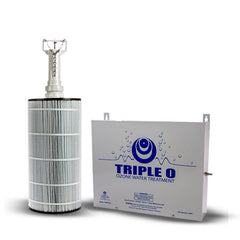
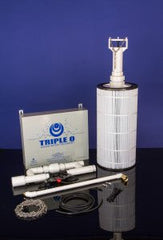
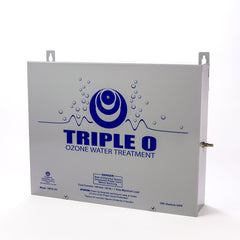
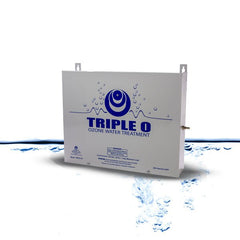
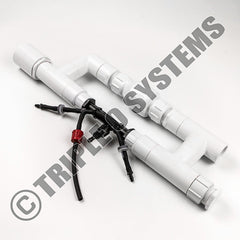
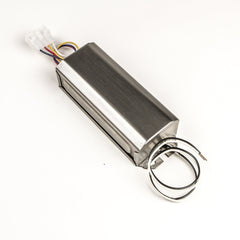
The Triple O system uses an ozone generator in combination with an air pump to continuously aerate your water tank with micro-sized ozone saturated bubbles. This then oxidizes to eliminate many of the contaminants in your well water.
The result is refreshing, delicious, high quality water throughout your home.
Safe & Quality Well Water
Why Genuine Triple O Stands Above The Crowds
Up to
5 Grams/ Day
Safe Level Ozone Creation
Up to
10,000 Gal/ Day
Filter Rate
Sizes
1K to 10K Gal.
Storage Tank
Well Water Issues
The Triple O Advantage
So many benefits for stubborn well water

Heavy Metals:
Iron and Manganese
These heavy metals stain clothes, household fixtures and laundry. They also negatively make an unpleasant odor and taste in your water. Iron and manganese can be removed though a process of oxidation and/ or filtration.
The Triple O System oxidizes heavy metals which will bring the separate help it out from the water. The oxidized particles of the heavy metals are then filtered out.
Hydrogen Sulfide
Sulfur is unmistakably known by the “rotten egg” odor. Sulfur may be eliminated through oxidation and aeration.
The Triple O System can eliminate hydrogen sulfide, and it’s offensive “rotten egg” gas odor. It accomplishes this by rapidly oxidizing the sulfides in the water into sulfates. The system then constantly applies ozone aeration to keep the water fresh.
Acidic Water
Proper drinking water should have a pH level between 6.5 and 8.5 as acceptable by the EPA. A 7.0 pH is considered neutral, and anything lower is considered acidic. Acidic water can negatively affect health, and plumbing and appliance degradation.
The Triple O System can improve acidic water by raising low (acidic) pH levels of the water if the acidic water is affected by high carbon dioxide gas in the water. This system’s constant aeration of the water neutralizes CO2 gas, which will improve the pH level.
Tannin
(Water Discoloration)
Discoloration in water that are caused by tannins can have a red and brown tint in the water. Tannins can be removed by chlorination, ozonation, reverse osmosis or activated carbon filtration. WARNING: Chlorine additives is not advised for this use. Chlorine has the protentional to create harmful THMs in your water. THMs are carcinogenic and is a byproduct of chlorine when it combines with organics in the water.
The Triple O System can help with discoloration of tannins in the water. The system will oxidize tannins to reduce the amount of tannins in the water. Note: Some tannins may be ozone resistant and thus are not readily removed by this process.
Water Hardness
Water hardness contains high levels of dissolved calcium and magnesium. Water hardness is expensive as it negatively affects the longevity and maintenance of energy costs water heaters, water appliances, clothing, and well as increase the amount of cleaning effort, soaps and detergents. Water hardness can be removed using a water softener. Alternatively, water hardness can be mitigated with a water conditioner.
The Triple O System can help mitigate water hardness, similar to a water conditioner system. The system alters the molecular bonding capability of the water hardness minerals, which makes the water acts similar as soft water. This is an additional benefit of the Triple O System regarding hard water.
Turbidity
(Water Cloudiness)
Turbidity is a measurement of the relative clarity of water. Water cloudiness can be caused by oxidized metals. (Dirt, silt and colloidal clay can also cause water cloudiness.)
The Triple O system can remove oxidized metals to help clarify the water. If dirt, silt, or colloidal clay is present, these should be treated to be removed prior to entering the Triple O System for optimal performance.
Sulfates, Chlorides, Carbonates, Sodium, Other Dissolved Solids
Sulfates, Chlorides, Carbonates, Sodium and other dissolved solids can cause other issues especially if present at high levels. These can be removed by a water softener and reverse osmosis filtration system.
The Triple O System does not remove this category of dissolved solids in water.
E-Coli Bacteria, Fecal Bacteria, Cryptosporidium, Other Contaminants
These contaminants and toxins need to be addressed in your well water. High levels are unsafe for drinking and usage.
The Triple O System can help reduce some contaminants but is not rated as a primary contaminant removal system.
To ensure the safe remove contaminants, consult a quality water treatment expert. Further treatment systems may include a UV disinfection light and/ or a reverse osmosis filtration system.
A Natural Basic Element
Ozone Purification... What is that?
The Benefits of Ozone

DID YOU KNOW?
Municipal water companies are increasilngly using ozone technology because of ozone's effectiveness in purifying and de-ordorizing water.

Ozone is a molecule composed of three oxygen atoms (O3) that occurs naturally in the Earth's atmosphere.
Ozone is a powerful oxidizing agent, meaning it readily reacts with other substances, including microorganisms and contaminants in water.
When ozone is used for water purification, it acts as a disinfectant and removes impurities through a process called ozonation.
Here's a simplified explanation of how ozone purifies water:
Ozone purification offers several advantages, such as its strong disinfection capability, effectiveness against a wide range of pathogens, and minimal formation of harmful byproducts.
However, it's important to note that ozone is not typically used as the sole method of water treatment but rather as part of a comprehensive water purification system that may include other processes like filtration and chlorination.
Triple O Authorized Dealer


PRODUCT & TECHNICAL SUPPORT
Real Experts That You Can Count On


Steer clear of the guessing game.
You are investing your hard earned money into a solution to provide quality water for your family.
We cut through the clutter for you to make the right decisions.
Unlike the big box stores…
Our team of experts recommend the best solutions that’s available in the entire marketplace.
Our water treatment consultants help you before AND after your purchase.
Our customers are like family.
PROPER FILTER SIZING
What Filter Size?
In general, match your effective well pump flow rate to the backwash requirements to select the appropriate filter size.
Typical size is the 1.5 CUFT size, if your well pump can accommodate. An option is that you can also select a smaller size, if higher flow rates are not required.
NOTE: Minimum Well Pump Flow Rates Are Required. See Specs below or try our WISDOM tool.
WATER INTELLIGENCE ENGINE

Try The Free Sizing Calculator
...Well Pump Flow Rate Is Needed
USE WISDOM NOWWHY BUY FROM US
Real Experts. Real Value.




Here's What Our Customers Are Saying...
-

“I just wanted to say thank you for your excellent products and service over the past 12 years. ” - Daniel R. - Texas
-

“After we installed the Softpro Elite I noticed a significant difference in the house water quality. ” - Julie M. - Florida
-

“I decided to go with the Softpro water softener over Fleck. Very impressed and satisfied with their products and customer service! ” - Roy P. - California


